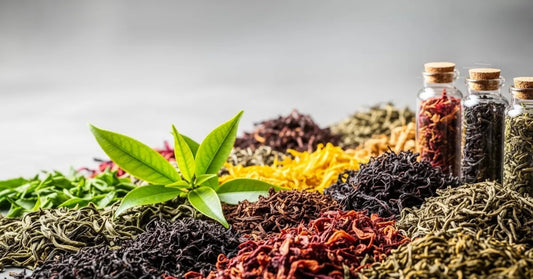
Matcha & Why It’s the Ultimate Green Tea
Related Product
Subscribe

Table of Contents
Matcha tea has taken the wellness world by storm. From Instagram-worthy lattes to antioxidant-packed smoothies, it is everywhere. Some say it tastes like grass, but they would still drink it. Because… it’s a trend. But beyond this, you should know that matcha has great health benefits too. In this article, we’ll explore why matcha is the ultimate tea. Keep reading for some fun insights with science-backed facts.
What is Matcha?
Matcha is a type of green tea. It comes as a finely ground powder which is made from shade-grown green tea leaves. Matcha uses the whole leaf when whisked instead of discarding it after steeping. This process gives it a bright green color and a bitter-sweet taste. Moreover, matcha has high nutritional value.
Why is Matcha the Ultimate Tea?
Ancient people loved matcha, and modern people love it too. So, it is definitely the best of both worlds. The reason for such popularity is that it’s unique and healthy too. Here are some of the reasons why matcha is the ultimate tea.
Packed with Health Benefits
Matcha is a nutritional powerhouse! It is loaded with antioxidants, vitamins, and minerals. It contains high levels of EGCG, a catechin known for fighting free radicals and supporting heart health. Matcha also boosts metabolism, enhances detoxification, and strengthens the immune system. All in all, drinking matcha regularly can improve overall wellness.
Unique Taste & Color
Matcha stands out for its emerald-green color. Besides, it has a distinct flavor profile. Its taste is rich, creamy, and slightly vegetal. It tastes a bit bitter with a balance of sweetness and umami. This combination of beauty and flavor makes matcha both a sensory and aesthetic delight.
Promotes Calm Focus
Unlike coffee’s quick energy spike, matcha delivers calm alertness. It contains L-theanine. This is an amino acid that promotes relaxation and focus, working in harmony with natural caffeine. They both enhance mental clarity and concentration without jitters or crashes. This quality makes it a perfect companion for mindfulness, meditation, or productive work sessions.
Versatile Green Tea
You can enjoy it as a latte, iced drink, smoothie, or even in desserts and savory dishes. I know a friend who loves matcha americano. I mean, how wondrous that you can mix it with coffee, too. Its fine powder form makes it easy to blend into recipes, adding flavor to them. From wellness drinks to culinary creations, matcha fits everywhere.
What is the origin of matcha?
Matcha tea originated in China during the Tang Dynasty (7th–10th century), where tea leaves were steamed and powdered. Buddhist monks later brought it to Japan in the 12th century. There, it evolved into a central part of the Japanese tea ceremony. And gradually became the matcha we know today.
What countries grow matcha?
Matcha is primarily grown in Japan, especially in regions like Uji, Nishio, Shizuoka, and Kagoshima. These areas present the ideal climate and soil for growing this tea. Other matcha-growing countries include China, South Korea, and Taiwan. However, Japanese matcha remains the most authentic. It is highly regarded worldwide for its quality and tradition.
How is matcha tea grown?
Farmers grow this green tea in shade for about three to four weeks before harvest. This shading boosts chlorophyll, amino acids, and vibrant color. After harvesting, the leaves are steamed and dried. Later, they are stone-ground into fine powder. The process makes matcha more flavorful, nutrientious, and antioxidant-packed than other green teas.
How does matcha taste?
Matcha has a rich and complex flavor. It is smooth yet slightly bitter, with notes of sweetness and umami. High-quality matcha tastes creamy and vegetal. In fact, it is a reminiscent of fresh grass or seaweed. Its natural sweetness balances the mild bitterness. Or you can say that your tongue feels an earthy taste that lingers pleasantly with each sip.
Does matcha have caffeine?
Matcha naturally contains about 70 milligrams of caffeine per cup. This amount is slightly less than coffee. However, matcha’s caffeine is balanced by L-theanine, which promotes calmness. This combination provides steady energy, mental clarity, and alertness without the jitters.
Is matcha good for weight loss?
Matcha supports healthy weight loss. It does so by boosting metabolism and enhancing fat burning. Its powerful catechins, especially EGCG, help increase the body’s rate of calorie burn. When paired with a balanced diet and regular exercise, matcha can be great for weight management. You get sustained energy and reduced unhealthy cravings naturally.
What are the health benefits of matcha?
Matcha is rich in antioxidants, particularly EGCG. This supports heart health and protects against free radicals. It boosts metabolism, enhances focus, and promotes relaxation through L-theanine. Regular consumption can improve energy levels, support detoxification, and strengthen the immune system.
With balanced caffeine release, matcha also supports mood improvement. It boosts brain function and supports skin health. So, being a matcha baddie surely pays off.
Is matcha different from other green teas?
Matcha differs from other green teas in how it’s grown, processed, and consumed. Matcha leaves are shade-grown to boost chlorophyll and amino acids. Besides, they are stone-ground into powder. For regular green tea, you steep leaves. But drinking matcha means consuming the entire leaf. Therefore, it has stronger flavor and a more vibrant color.
|
Aspect |
Matcha |
Regular Green Tea |
|
Growing Method |
Shade-grown for 3–4 weeks before harvest to increase chlorophyll and L-theanine |
Grown in direct sunlight throughout the season |
|
Processing |
Leaves are steamed, dried, and stone-ground into fine powder |
Leaves are steamed or pan-fired, then rolled and dried |
|
Consumption |
Entire tea leaf is consumed as powder whisked into water |
Only the infused liquid is consumed; leaves are discarded |
|
Flavor Profile |
Rich, creamy, slightly sweet with umami notes |
Lighter, more astringent, and grassy |
|
Color |
Vibrant bright green |
Pale yellow-green |
|
Caffeine Content |
Higher (since the whole leaf is consumed) |
Moderate to low |
|
Nutrient Density |
Very high in antioxidants, chlorophyll, and amino acids |
Lower, as only part of the nutrients infuse into water |
How did matcha become a trend?
Matcha became a trend as people sought healthier alternatives to coffee and processed drinks. Its calming energy made it popular in wellness circles. Plus it’s green color attracted social media attention. Today, people love to have matcha lattes and add it in recipes.
A Quick History Overview of Matcha Tea
Matcha’s rise from a centuries-old Japanese tradition to a modern wellness trend is quite fascinating. After all, there’s a rich culture, health science, and social media influence backing it. Matcha has been used in Japanese tea ceremonies for over 800 years. But its international popularity began growing in the early 2000s. It all started when people got tired of coffee and sugary drinks. They wanted something healthier and natural. And so they found matcha.
This shift was actually toward mindfulness, clean eating, and plant-based living. It became the perfect fit for a new generation of health-conscious consumers. Social media platforms such as Instagram, TikTok, and Pinterest played a major role in popularizing matcha. After all, all those lattes, smoothies, and desserts look so aesthetic. Moreover, the visually stunning green drinks quickly became symbols of balance, calm, and modern wellness.
Cafés across the world embraced matcha as a signature ingredient. They offered its creative variations and this is how it became the ultimate green tea.
Today, matcha has become a lifestyle symbol. Its deep cultural roots, combined with scientific credibility and modern versatility, all make it well-deserved for the title of queen of teas. It also has single-origin tea variants available around the world.
How to Brew Matcha Tea?
Brewing matcha is simple yet mindful. Many people find this preparation to be a calming ritual. Follow these steps to enjoy a smooth, frothy cup of authentic Japanese matcha tea.
Steps to make matcha:
- Sift the Matcha: Use a fine sifter to remove clumps for a smooth texture.
- Add Matcha Powder: Place 1–2 grams (½–1 teaspoon) into a tea bowl.
- Pour Hot Water: Add about 60–70 ml of hot water (around 80°C / 175°F).
- Whisk: Use a bamboo whisk (chasen) in a quick “W” or “M” motion until frothy.
-
Enjoy: Sip immediately and savor the rich, creamy flavor and vibrant color.
To enjoy authentic matcha at home, all you need is high-quality matcha powder, a bamboo whisk, a tea bowl, and hot water. With these simple tools, you can create a café-quality experience anytime. Start your wellness ritual today and buy green tea for your perfect matcha moment.
Try Matcha Sencha by Backyard Brew
Want to try matcha at home? The good news is that it is now just one tap away. Backyard Brew presents Matcha Sencha Green Tea. It combines the creamy richness of matcha with the refreshing taste of sencha leaves for a perfectly energizing tea. Packed with antioxidants and natural L-theanine, it supports overall wellness. Whether for a mindful morning ritual or a relaxing afternoon break, this premium blend is just amazing. It makes enjoying authentic Japanese-inspired tea effortless and delightful.
Conclusion
Matcha has truly earned its title as the ultimate green tea, After all, it is traditional and modern too. It’s got rich cultural roots in Japan and people all over the world love it. It has a bright green color that catches the eye instantly. You can love it or hate it, but you can never ignore it. Either matcha is on the table, or the talk of the table. Moreover, it is great for health. Drink it daily and it will boost your overall well-being. If you are on a diet, it can still fit your routine. So, what are you waiting for? Embrace matcha for energy, balance, and sipping on to trends. Or maybe just because, it’s good tea.

Ryan Khalil - Author
Related articles


7 Innovations in Tea Processing Changing Your Experience